What Happened
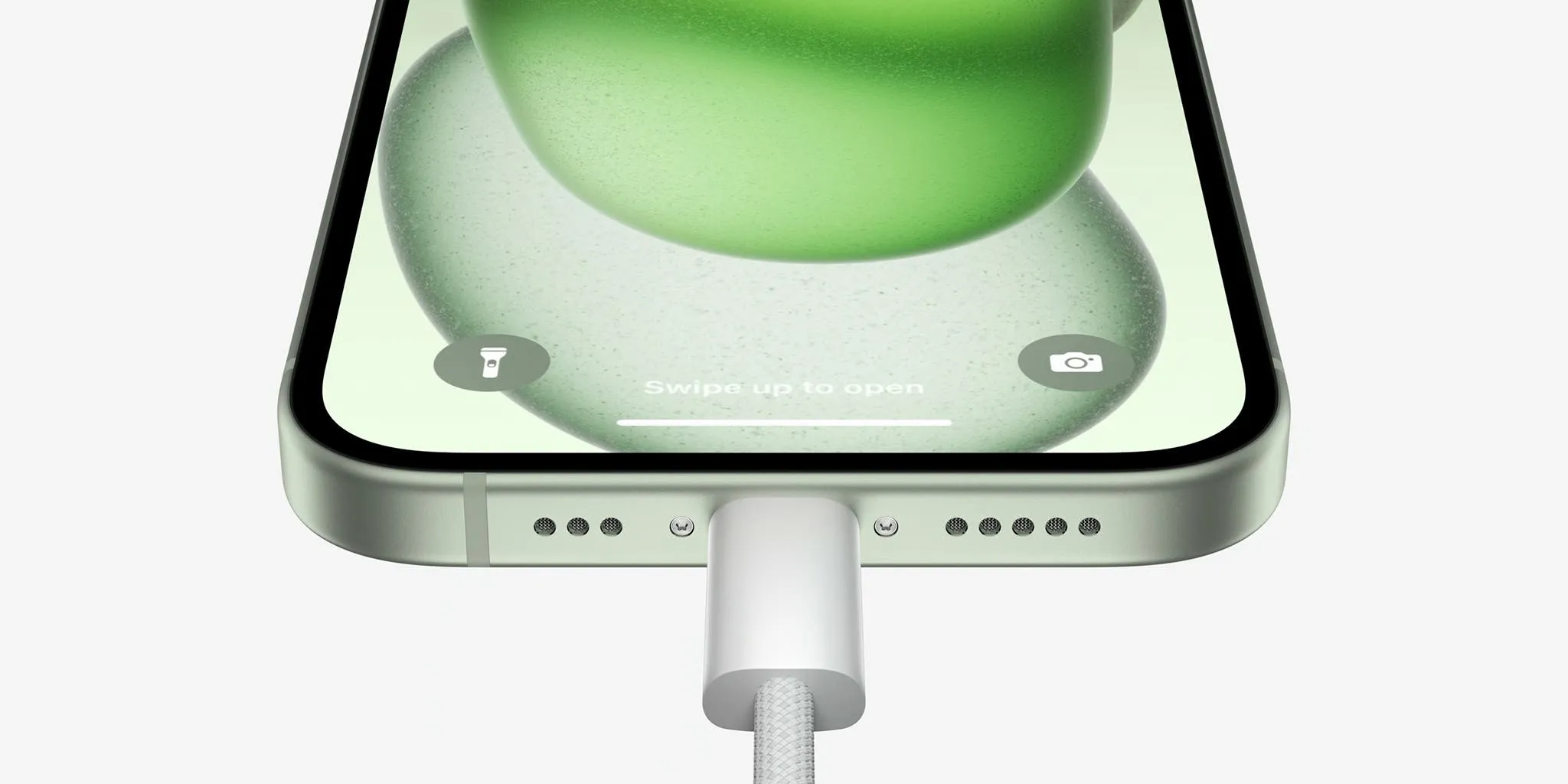
On September 12, 2023, Apple Inc. officially launched the iPhone 15, marking a significant transition from its proprietary Lightning connector to a USB-C charging port. This change was largely influenced by new EU regulations aimed at reducing electronic waste and improving consumer convenience. The EU’s directive mandates a common charging standard for electronic devices, affecting over 1 billion devices that previously used the Lightning connector. This transition to USB-C charging is expected to have a profound impact on the market.
Why It Happened
The EU’s directive for a universal charging standard was a primary driver behind Apple’s decision. This regulation was enacted to simplify the charging process for consumers and reduce the environmental impact of electronic waste. Apple had relied on the Lightning connector for over a decade, making this shift a significant change in its product ecosystem. The transition aligns with the EU’s goal to reduce electronic waste by an estimated 10% annually, as reported by the European Commission. This move towards USB-C charging is a response to both regulatory pressures and consumer demand.
Why It Matters
The switch to USB-C could enhance user experience by providing faster charging and data transfer speeds, with USB-C supporting up to 100W of power delivery compared to the Lightning connector’s 12W. However, it raises compatibility concerns with existing accessories. For instance, users with Lightning-based headphones or chargers will need adapters or new devices. Initial consumer feedback has been mixed, with excitement over improved technology but frustration over potential accessory incompatibility. According to a survey by Consumer Reports, 65% of users expressed concern about the cost of replacing old accessories. The transition to USB-C charging is a significant step for Apple and its users.
What Happens Next
Apple is expected to offer solutions for users transitioning from Lightning to USB-C, such as adapters and trade-in programs for older accessories. Analysts predict that this move could influence other tech companies to adopt USB-C, leading to a broader industry shift. For example, Samsung and Google are already considering similar transitions. Consumers will likely see a gradual phasing out of Lightning accessories in favor of USB-C alternatives, with a projected 30% increase in USB-C accessory sales by 2025. This transition could reshape the landscape of mobile charging.
What Nobody Is Talking About
While many celebrate the transition to USB-C, few are discussing the potential for increased costs. Consumers may face additional expenses as they replace incompatible accessories. Furthermore, the environmental impact of disposing of old chargers and cables could overshadow the benefits of a universal standard, creating a paradox in Apple’s sustainability claims. A report from Greenpeace indicates that electronic waste is expected to reach 74 million tons globally by 2030, raising concerns about the long-term implications of this transition. The shift to USB-C charging may not be as straightforward as it seems.
Further Reading
- New York Times – Apple Unveils iPhone 15 and Switches to USB-C Charger
- BBC News – iPhone 15: Apple forced to ditch lightning charger
- Mashable – Apple iPhone 15 USB-C charging confirmed. What to know.
- Wired – The iPhone 15 Is Finally Getting USB-C. Here’s What That …
- Consumer Reports – iPhone 15 Lineup Drops Lightning, Adopts USB-C
Frequently Asked Questions
What is the main reason for Apple’s switch to USB-C charging?
The main reason for Apple’s switch to USB-C charging is the new EU regulations aimed at reducing electronic waste and improving consumer convenience.
How does USB-C charging compare to the Lightning connector?
USB-C charging supports up to 100W of power delivery, compared to the Lightning connector’s 12W, potentially enhancing user experience with faster charging and data transfer speeds.
Is it worth replacing old accessories for USB-C compatibility?
Many consumers expressed concern about the cost of replacing old accessories, indicating that it may not be worth it for everyone.
What is the expected impact of the transition to USB-C on accessory sales?
There is a projected 30% increase in USB-C accessory sales by 2025 as consumers gradually phase out Lightning accessories.
What environmental concerns are associated with the transition to USB-C?
The environmental concerns include the potential increase in electronic waste from disposing of old chargers and cables, which could overshadow the benefits of a universal charging standard.
Sources Used
- www.instagram.com — @cassian playing wtf by @brokenhillmusic & @dvirnuns_ …
- www.instagram.com — Auto Fart. #autotune #wtf #comedypodcast #comedyduo # …
- www.facebook.com — WTF? 😶🌫️ … #guitar #guitarist #guitarplayer #concert …
- www.facebook.com — I just found this. WTF editor would say something that awful …
- www.reddit.com — Real Question What attracts you To The CyberPunk Genre?
- www.facebook.com — There’s a big bad wolf and it’s called Big Tech # …
- www.facebook.com — 🤖 Tyga confirms AI helped shape his new $TARFACE …
- www.instagram.com — Comment “DATA” and I’ll send you my FREE 6-month …
- www.instagram.com — Visualizing global software engineering data reveals …
- www.facebook.com — Your Spotify knows your hits, moods, and even your “don’t …