
The AI Mania: How Generative AI is Reshaping Tech and Fueling Nvidia’s Dominance
The years 2024-2025 will undoubtedly be remembered as a pivotal period in technological history, marked by an explosive and pervasive surge in Artificial Intelligence. What began as a buzzword has rapidly escalated into an «AI mania,» drawing comparisons to the dot-com boom and the early days of the internet. This isn’t just hype; it’s a fundamental shift, reshaping industries at an unprecedented pace.
At the heart of this revolution lies generative AI, driving an insatiable demand for cutting-edge infrastructure. And amidst this whirlwind of innovation and investment, one company stands out as the undeniable linchpin: Nvidia. Its advanced GPUs and comprehensive ecosystem have not only powered this transformation but have also cemented its position as a dominant force in the tech landscape.
This article will delve into the essence of the AI mania, explore Nvidia’s strategic ascent, examine the broader ripple effects on **technology companies**, and discuss the challenges and opportunities that lie ahead, offering a comprehensive look at the future of this transformative era.
Understanding the AI Mania
The current «AI Mania» is characterized by rapid advancements, particularly in generative AI and large language models (LLMs), leading to a significant increase in AI investment and widespread adoption across various sectors. Unlike previous AI cycles, this boom is tangible, producing tools that impact daily life and business operations.
Key Drivers of the AI Boom:
- Technological Breakthroughs: Groundbreaking innovations, such as the transformer architecture, have enabled the creation of remarkably sophisticated AI models.
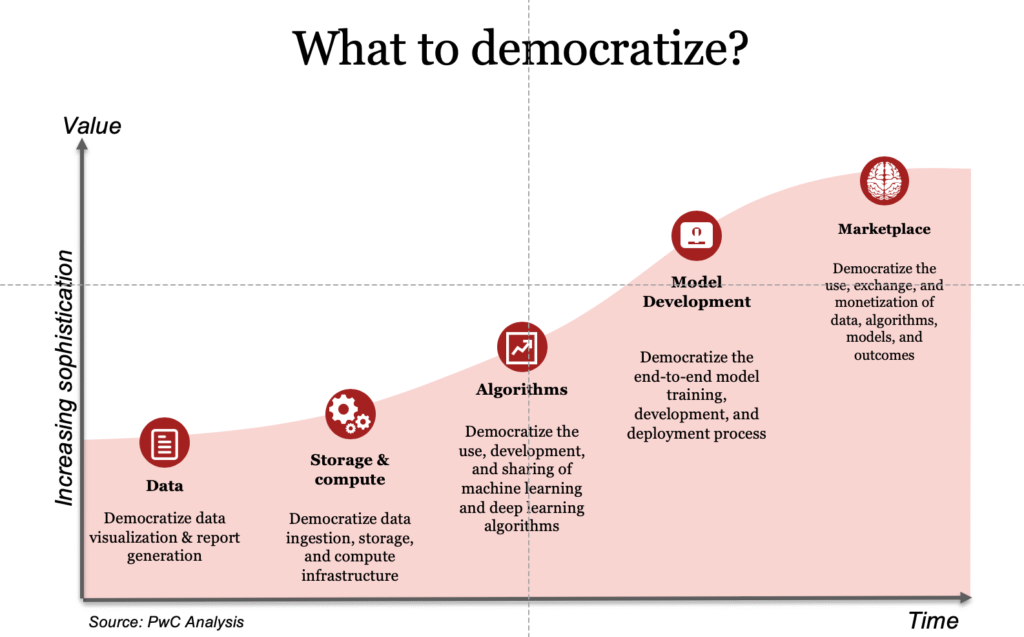
- Increased Accessibility: The growing availability of user-friendly AI tools and platforms has democratized AI development, allowing businesses and individuals to leverage its power without extensive expertise.
- Enterprise Adoption: Industries from healthcare and finance to manufacturing and creative arts are integrating AI for efficiency, innovation, and competitive advantage, showcasing the profound impact of AI on technology companies.
- Significant Investment: A torrent of venture capital and public market AI investment continues to pour into AI startups and established players, signaling strong confidence in its long-term potential.
Nvidia: The Uncontested King of AI Infrastructure
When discussing the AI revolution, it’s impossible to overlook Nvidia. The company has strategically positioned itself not merely as a component supplier but as the foundational architect of the AI infrastructure future. Its journey from a graphics card maker to an AI powerhouse is a testament to foresight and relentless innovation.
Nvidia’s Strategic Position and Dominance:
At the core of Nvidia AI dominance is its leadership in Graphics Processing Units (GPUs). AI, especially deep learning and generative models, requires immense parallel processing power for both training and inference. Nvidia’s GPUs, like the H100 and A100 chips, are specifically optimized for these tasks, offering unparalleled speed and efficiency. The proprietary CUDA platform further cements this advantage, providing developers with a robust software environment that makes Nvidia’s hardware the go-to choice, creating a powerful lock-in effect.
Beyond hardware, Nvidia’s comprehensive ecosystem — encompassing software development kits, specialized AI frameworks, and high-speed networking solutions — creates a sticky environment for its customers. This integrated approach means that adopting Nvidia isn’t just buying a chip; it’s buying into a complete, optimized solution that accelerates AI development and deployment.
Financial Performance and Market Valuation:
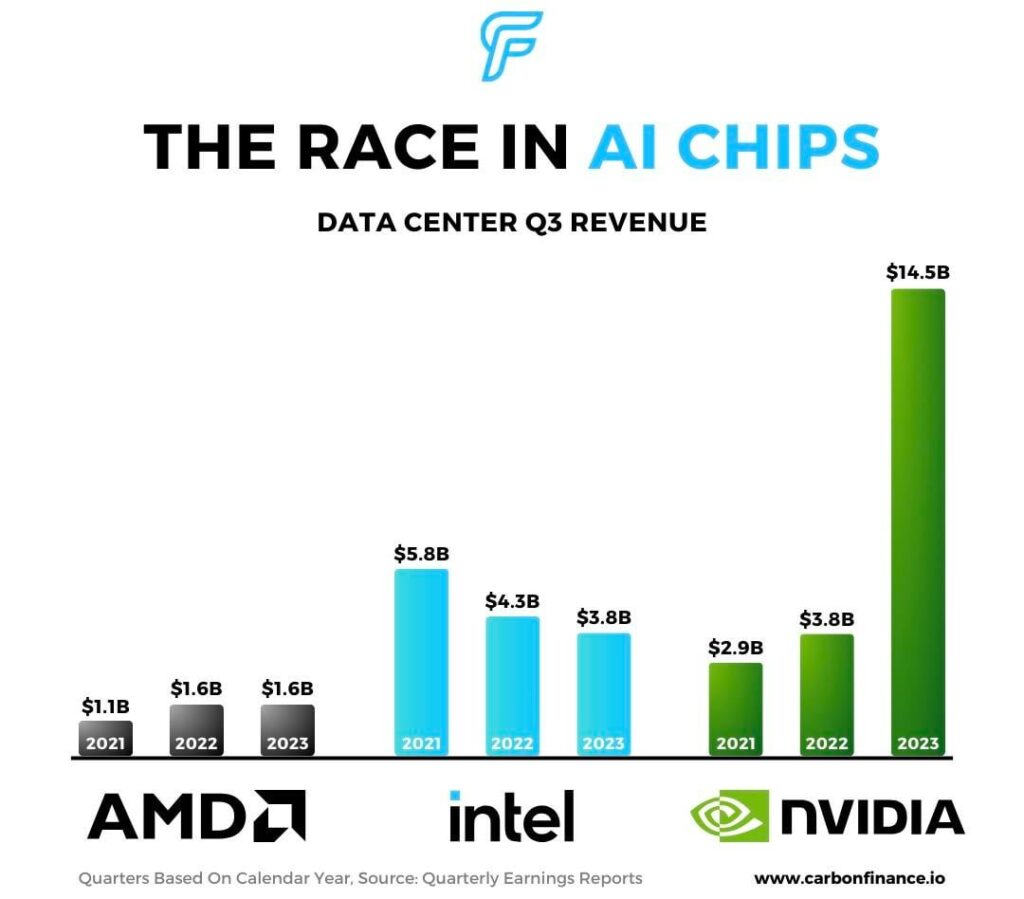
The «AI mania» has translated into blockbuster financial performance for Nvidia. Recent Nvidia earnings reports have consistently shattered expectations, with its data center segment, fueled by immense GPU demand, showing exponential growth. Major deals, such as the reported significant allocation of H100s to companies like Anthropic, underscore the unprecedented demand for its products.
Nvidia’s market capitalization has soared, placing it among the world’s most valuable companies. Analyst sentiment frequently highlights Nvidia as an indispensable investment in the AI era, often quipping about the folly of «betting against Nvidia.» While some voices raise questions about the sustainability of this growth, invoking parallels to past tech market trends and an AI stock bubble, many argue that the fundamental demand for AI infrastructure is real and long-lasting, distinguishing it from purely speculative booms.
Broader Impact on Technology Companies
The AI revolution, while prominently featuring Nvidia, has a far wider ripple effect across the technology sector, creating new winners and forcing others to adapt or risk disruption.
The Winners (Beyond Nvidia):
- Cloud Providers (Microsoft, Google, Amazon): These giants are making massive AI investment in infrastructure, offering powerful Cloud AI platforms and AI-as-a-service. Their strategic partnerships with AI startups and their own advanced research position them as critical enablers and beneficiaries of the AI surge.
- AI Software & Service Providers: This rapidly growing segment builds specialized AI software applications, platforms, and solutions for specific industries, ranging from healthcare diagnostics to personalized marketing tools.
- Other Chip Manufacturers (AMD, Intel): While playing catch-up in the semiconductor industry, AMD and Intel are aggressively developing their own AI hardware accelerators and software stacks to compete in this lucrative market, recognizing the immense opportunity.
- Data Center Operators: The insatiable demand for processing power and data storage is driving significant expansion and innovation in data center design, focusing on scalability and energy efficiency.
The Disruptors & The Disrupted:
- Traditional Software Companies: Many established software firms are now scrambling to integrate AI functionalities into their offerings, or pivot entirely, to remain relevant. Those slow to adapt risk obsolescence and technology disruption.
- Startups: The AI landscape is teeming with innovative startups, attracting unprecedented venture capital. However, this also means intense competition, high burn rates, and the challenge of scaling novel technologies.
- Impact on Workforce: Automation driven by AI is reshaping job markets, creating a critical need for new skills in AI development, deployment, and ethical oversight, alongside concerns about job displacement.
Emerging Opportunities:
Beyond the immediate tech players, AI is unlocking entirely new business models. Specialized AI solutions, platforms focused on AI ethics and governance, and infrastructure for sovereign AI are just a few examples of burgeoning fields. This era promises not just incremental improvements but foundational changes to how businesses operate and how value is created.
Challenges and Concerns in the AI Mania
Despite the palpable excitement, the «AI mania» is not without its significant AI challenges and legitimate concerns.
- AI «Bubble» Fears: A recurring debate centers on whether the current valuations of AI companies, particularly Nvidia, are sustainable or indicative of an overheated market. Speculative investment is always a risk during periods of rapid technological advancement, and a correction, or even a ‘bubble burst,’ remains a possibility.
- Supply Chain Issues: The intense demand for high-end AI chips creates dependency on a few key manufacturers, most notably TSMC. Any disruption in this highly concentrated supply chain could lead to severe bottlenecks and impact the entire AI ecosystem.
- Ethical Considerations: The rapid deployment of AI raises profound ethical questions. Bias in algorithms, privacy concerns regarding data usage, the potential for widespread job displacement, and the responsible development of increasingly autonomous systems are critical issues that demand urgent attention and robust governance. For more insights, explore The Future of AI Ethics and Society.
- Energy Consumption: Training and running advanced AI models consume enormous amounts of energy. The environmental footprint of AI infrastructure is a growing concern, pushing for more energy-efficient hardware and sustainable data center practices.
- Geopolitical Landscape: The strategic importance of AI and advanced semiconductor manufacturing has intensified geopolitical competition. Nations are vying for leadership in AI development and chip production, leading to trade tensions and regulations that could impact global collaboration and innovation.
The Future Outlook: Sustaining the Momentum
Looking ahead, the momentum of the AI revolution appears poised to continue, albeit with evolving dynamics.
- Continued Innovation: We can anticipate further breakthroughs in AI models, making them more capable, efficient, and versatile. Hardware innovation will also persist, pushing the boundaries of processing power and energy efficiency. Specialized AI applications, tailored to niche industries and complex problems, will become increasingly prevalent.
- Diversification of AI Hardware: While Nvidia currently dominates, the sheer size of the market will likely attract stronger competition. Other companies, including AMD, Intel, and potentially new entrants, will continue to invest heavily in developing competitive AI accelerators and integrated solutions, potentially leading to a more diversified hardware landscape.
- Regulatory Environment: Governments worldwide are grappling with how to regulate AI effectively. Expect an evolving regulatory environment focused on data privacy, algorithmic transparency, ethical guidelines, and ensuring responsible AI development. These regulations will shape how AI is developed and deployed globally.
- Long-term Impact: Ultimately, AI is set to fundamentally alter industries, economies, and daily life in ways we are only beginning to comprehend. From automating complex tasks to accelerating scientific discovery and transforming human-computer interaction, its long-term impact will be profound and far-reaching, defining the future of AI.
Conclusion
The «AI mania» is far more than a fleeting trend; it’s a paradigm shift driven by generative AI, reshaping the technological landscape and creating unprecedented demand for infrastructure. At its core, Nvidia stands as the critical enabler, its GPUs and ecosystem powering much of this transformation.
While the journey ahead is fraught with challenges, including ethical dilemmas, supply chain pressures, and market uncertainties, the transformative power of AI is undeniable. Its trajectory promises to redefine industries and economies for decades to come.
What are your thoughts on the AI mania? Do you believe Nvidia’s dominance is sustainable, or are new challengers on the horizon? Share your predictions for the future of AI and its impact in the comments below! Explore more cutting-edge trends and how AI productivity tools are changing the workspace.