

Table of Contents
Introduction
The rapid evolution of artificial intelligence (AI) is reshaping the landscape of various sectors, particularly in technology. As AI technologies become increasingly integrated into everyday operations, tech professionals are left to navigate a changing job market that demands new skills and adaptability. This article aims to explore how AI is transforming job roles, skill requirements, and the overall job market for tech professionals, providing insights into the opportunities and challenges that lie ahead. Understanding the future of tech jobs is essential for anyone in the industry. In particular, we will discuss the emerging AI job roles and the necessary tech skills for AI that professionals need to thrive.
Understanding AI and Its Capabilities
Artificial intelligence refers to the simulation of human intelligence in machines programmed to think and learn. Current capabilities of AI include machine learning, natural language processing, and computer vision, among others. These technologies are not just theoretical; they are actively being utilized in various applications, from chatbots in customer service to predictive analytics in software development.
For tech professionals, understanding these capabilities is crucial. As AI continues to evolve, professionals must familiarize themselves with the tools and technologies that are shaping their industries. For a deeper dive into how AI impacts the labor market, check out this insightful article from MIT Sloan.
The Changing Landscape of Tech Jobs
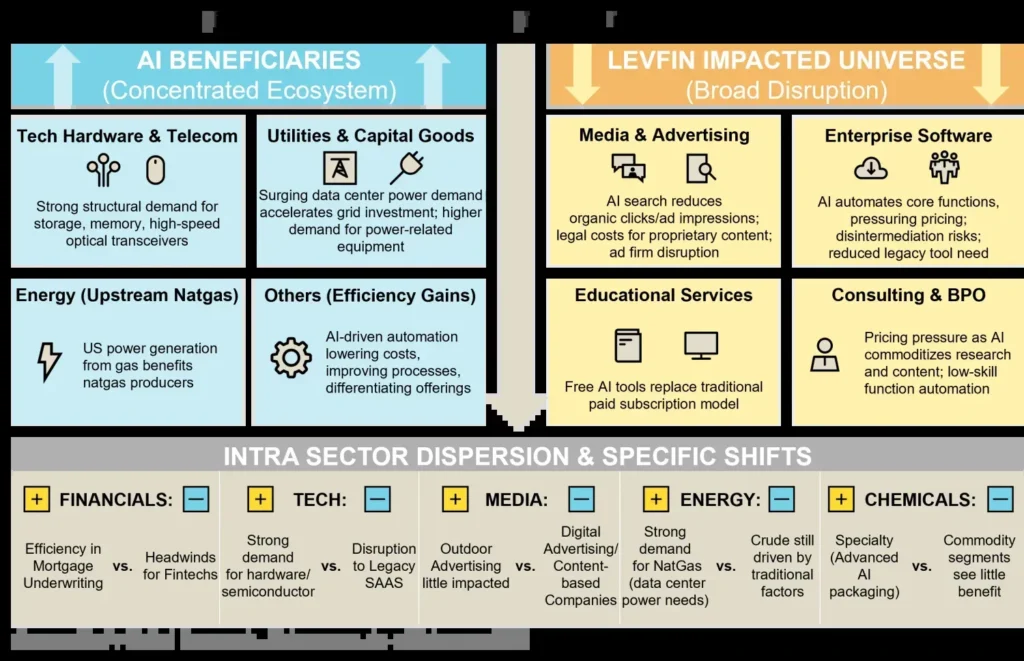
AI is transforming job roles across the tech sector. For instance, software development is increasingly incorporating AI-driven tools that automate coding tasks, while IT support roles are evolving to include AI-based troubleshooting systems. This transformation raises questions about employment rates and job security in various tech positions.
According to research from ADP, AI is indeed affecting employment, with some roles becoming obsolete while new ones emerge. The challenge for tech professionals is to stay ahead of these changes and adapt to the evolving job landscape, particularly by acquiring the right tech skills for AI.
Skills for the Future
To remain relevant in an AI-driven market, tech professionals must develop a new set of skills. Key competencies include:
- Data Literacy: Understanding data analysis and interpretation is essential as AI relies heavily on data.
- Programming Skills: Familiarity with programming languages such as Python and R is increasingly important for developing AI applications.
- Soft Skills: Communication, problem-solving, and adaptability are crucial as tech professionals collaborate with AI systems and other team members.
Continuous learning and upskilling are vital for career advancement. For more insights on how AI affects careers in computing, refer to MTU Data Science.
Opportunities and Challenges
AI presents numerous opportunities for tech professionals. New job roles are emerging, such as AI ethics consultants and machine learning engineers, which can lead to increased efficiency and innovation within organizations. However, these advancements also come with challenges, including job displacement and ethical considerations surrounding AI use.
As highlighted in an article from Online UC, the balance between leveraging AI for efficiency and addressing the ethical implications of its use is a critical conversation for tech professionals.
Preparing for an AI-Driven Future
To thrive in an AI-driven future, tech professionals should consider the following actionable tips:
- Engage in Continuous Learning: Take advantage of online courses, workshops, and certifications to enhance your skill set.
- Network with Industry Peers: Join professional organizations and attend conferences to stay informed about industry trends and best practices.
- Advocate for Ethical AI Use: Participate in discussions about the ethical implications of AI in your workplace and beyond.
Companies also play a crucial role in supporting their employees through this transition. By investing in training and development programs, organizations can help their workforce adapt to the changing landscape of AI job roles.
Conclusion
The impact of AI on tech professionals is profound and multifaceted. As the job market continues to evolve, it is essential for tech professionals to adapt by acquiring new skills and embracing continuous learning. The future of tech jobs will undoubtedly be shaped by AI, and those who are proactive in their approach will be best positioned to succeed.
We encourage readers to share their thoughts and experiences regarding AI’s impact on their careers. How are you preparing for the changes brought about by AI? Join the conversation and let us know!
Frequently Asked Questions
What is AI?
Artificial intelligence refers to the simulation of human intelligence in machines programmed to think and learn.
How does AI impact tech job roles?
AI is transforming job roles across the tech sector, with some roles becoming obsolete while new ones emerge.
What skills are important for tech professionals in an AI-driven market?
Key competencies include data literacy, programming skills, and soft skills such as communication and problem-solving.
Is it worth engaging in continuous learning for tech professionals?
Yes, continuous learning is vital for career advancement in an AI-driven future.
What opportunities does AI present for tech professionals?
AI presents opportunities such as new job roles like AI ethics consultants and machine learning engineers.