

I. Introduction: The AI Gold Rush and Nvidia’s Central Role
The year 2023 will undoubtedly be remembered as the year AI broke free from the confines of research labs and truly entered the mainstream consciousness. From generating stunning art to writing compelling prose, artificial intelligence has captivated the world, fueling an unprecedented «AI Gold Rush» in the stock market. Companies at the forefront of this revolution have seen their valuations soar, driven by both genuine technological breakthroughs and intense investor enthusiasm. At the very heart of this seismic shift lies Nvidia, a name that has become synonymous with the hardware powering this new era.
Nvidia, once primarily known for its graphics cards that delighted PC gamers, has strategically positioned itself as the undisputed king of AI chip technology. Its Graphics Processing Units (GPUs) are the computational backbone for everything from sophisticated AI models to massive data centers, making it a critical enabler of the entire AI ecosystem. Consequently, Nvidia isn’t just another tech company; it’s widely regarded as the bellwether for the AI sector. Its performance is often seen as a barometer for the health and future trajectory of AI investments globally.
This article posits that Nvidia’s earnings reports transcend mere quarterly financial disclosures. They are crucial economic events, acting as powerful indicators that profoundly influence investor sentiment, market dynamics, and the perceived stability of the entire AI stock market and the broader tech industry. The ripple effect of Nvidia’s financial health, forward-looking guidance, and strategic announcements can be felt across semiconductor manufacturers, software developers, cloud service providers, and even the macroeconomic outlook.
By delving into Nvidia’s latest earnings, analyzing market reactions, and exploring expert opinions on the «AI bubble» debate, readers will gain a comprehensive understanding of:
- The immediate and long-term impact of Nvidia’s financial performance on the AI sector.
- The intricate dynamics currently shaping the AI stock market.
- Actionable insights and a nuanced outlook for future AI investment strategies.
II. Unpacking Nvidia’s Latest Earnings Report: A Glimpse into AI’s Engine Room
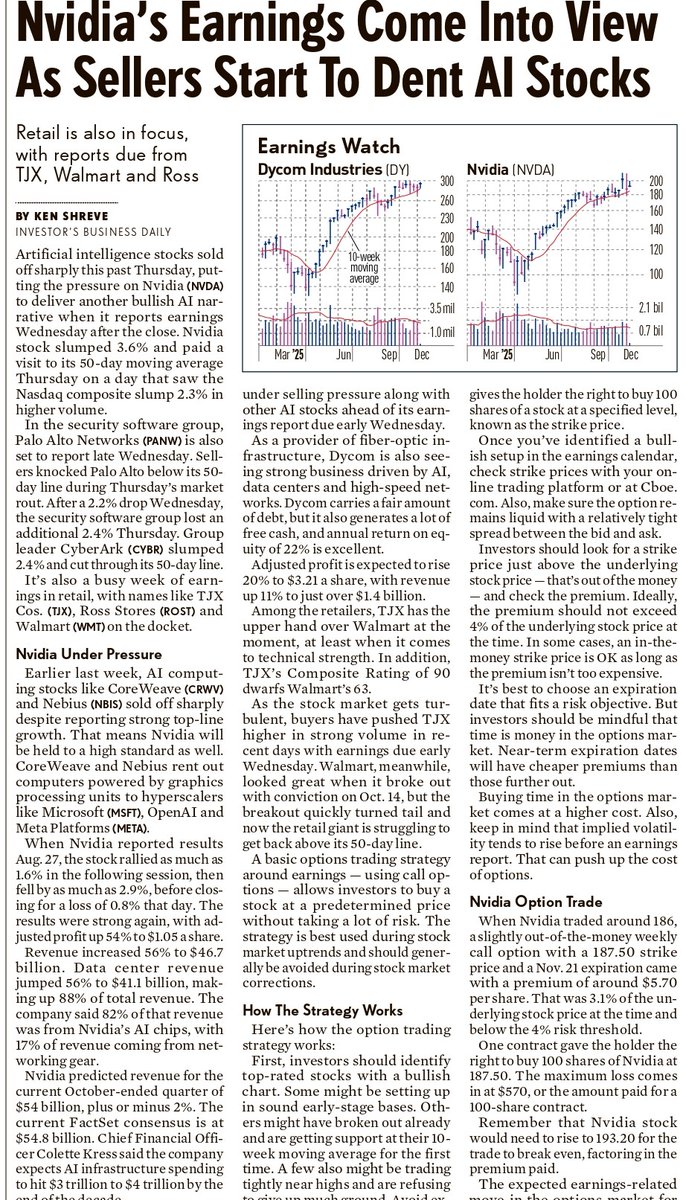
The financial performance of Nvidia has, in recent quarters, consistently defied even the most optimistic expectations, signaling robust demand for the core infrastructure underpinning the AI revolution. The most recent report, in particular, provided compelling evidence of this ongoing boom. Nvidia reported an astounding revenue surge, climbing an impressive 62% year-over-year to a staggering $57 billion in the October quarter. This figure comfortably exceeded analysts’ projections of $54.9 billion, a testament to the insatiable appetite for the company’s cutting-edge hardware. This exceptional growth was highlighted across multiple reputable financial outlets, including Investopedia, CNN, The Wall Street Journal, and Yahoo Finance.
Market Reaction vs. Fundamentals
However, the immediate market sentiment AI reaction to these blockbuster numbers often presents a paradox. Despite delivering what many analysts termed «blockbuster» results, Nvidia’s stock has occasionally experienced a dip or a more muted positive response in the immediate aftermath of Nvidia earnings announcements. For instance, Fortune reported that Nvidia’s stock price was up more than 31% year-to-date prior to one such earnings report, leading to a phenomenon where the stock was «punished» despite its strong underlying performance. Similarly, The Wall Street Journal noted a stock selloff even after a 62% increase in sales and raised guidance. This counter-intuitive reaction can be attributed to several factors:
- Sky-high Expectations: Investors often price in extraordinary growth well in advance, meaning only truly astronomical beats can drive further upside. Anything less, even if outstanding, can be seen as a disappointment relative to inflated hopes.
- Profit-Taking: After a significant run-up, some investors choose to lock in gains post-earnings, regardless of the results, contributing to temporary selling pressure.
- Forward-Looking Guidance: While current numbers might be stellar, conservative guidance for future quarters can dampen enthusiasm, as the market is inherently forward-looking.
Key Drivers of Growth
The key drivers behind Nvidia’s meteoric ascent are deeply rooted in the foundational requirements of modern AI. The relentless demand for its data center GPUs is the primary engine of its growth. As businesses, research institutions, and cloud providers race to build out their AI infrastructure, Nvidia’s Hopper and Ada Lovelace architectures become indispensable. These GPUs are not just processing units; they are specialized parallel processors designed to handle the computationally intensive tasks of training and running complex AI models, from large language models to advanced image recognition systems. The massive investments by hyperscalers like Amazon, Microsoft, and Google in cloud computing capabilities, all reliant on powerful GPUs, further fuel this demand, cementing Nvidia’s irreplaceable role in the global AI build-out.
III. The AI Stock Market Bubble Debate: Are We in Sustainable Growth or a Precarious Peak?
The unprecedented surge in valuations for AI-related companies has inevitably sparked intense debate about the possibility of an «AI bubble» – a situation where asset prices are inflated far beyond their intrinsic value, driven by speculative enthusiasm. Strong Nvidia financial results from industry leaders like Nvidia, however, often serve as crucial counter-arguments, temporarily easing these fears. As Investopedia and CNN highlighted, the sheer strength and consistency of Nvidia’s results have, on multiple occasions, helped Wall Street observers quell concerns that the AI sector is merely a speculative phenomenon divorced from fundamental value. When a company at the epicenter of the AI boom continues to deliver tangible, exceptional financial performance, it provides a much-needed dose of reality, demonstrating that substantial revenue and profit are indeed being generated from AI technologies.
JPMorgan’s Cautionary Stance
Despite these reassuring results, skepticism remains, and caution is a prevailing theme among some financial institutions. JPMorgan, for instance, has openly discussed «JPMorgan AI correction» as it’s bracing for a ‘correction’ in AI stocks, as reported by Yahoo Finance. The rationale behind such warnings is multi-faceted:
- Valuation Concerns: Even with robust growth, the price-to-earnings (P/E) ratios and other AI valuation metrics for many AI stocks have reached historic highs. Analysts worry that these valuations leave little room for error and imply future growth rates that may be unsustainable.
- Market Overheating: The rapid ascent of AI stocks has, for some, echoes of past tech bubbles (e.g., the dot-com era), where speculative frenzy overshadowed prudent investment.
- Profit-Taking Cycles: Markets rarely move in a straight line. After significant gains, pullbacks are natural and often healthy, allowing valuations to re-align with fundamentals. JPMorgan’s stance suggests a belief that a period of adjustment is due, regardless of individual company performance.
- Competition and Moats: While Nvidia enjoys a significant lead, the AI landscape is dynamic. New competitors, evolving technologies, and potential regulatory shifts could impact future growth trajectories for even dominant players.
Identifying Overvaluation vs. Sustainable Growth
For investors, discerning genuine, sustainable growth from speculative hype is paramount. A balanced perspective is crucial. Investors should look beyond sensational headlines and consider:
- Fundamental Strength: Evaluate companies based on their revenue growth, profitability, cash flow, and balance sheets, not just their stock price momentum.
- Competitive Advantage (Moat): Does the company possess a sustainable competitive advantage – be it proprietary technology, network effects, brand loyalty, or cost efficiencies – that protects it from rivals?
- Market Opportunity: Is the total addressable market (TAM) for their AI solutions genuinely large and growing?
- Innovation Pipeline: Is the company continuously innovating and adapting to the rapidly evolving AI landscape?
- Sensible Valuations: While growth stocks often command higher valuations, understanding what those valuations imply about future performance is key. Are the current prices justified by realistic future earnings?
By focusing on these metrics, investors can better identify AI companies with the potential for long-term value creation rather than those merely riding a wave of speculative euphoria. For further insights on how Nvidia’s earnings influence the broader AI market sentiment, you can read more at Investopedia.
IV. Beyond Nvidia: Ripple Effects Across the AI Ecosystem
Nvidia’s performance casts a long shadow, influencing not just direct competitors but a vast network of companies across the entire technology ecosystem. Its dominance and financial health create significant ripple effects, particularly impacting tech stocks broadly:
Semiconductor Industry Impact
Nvidia’s unparalleled demand for manufacturing capacity impacts foundry partners like TSMC, which fabricates its advanced GPUs. A strong Nvidia signals robust demand for high-end chip manufacturing, benefiting these partners. Conversely, any slowdown could create headwinds for the entire semiconductor supply chain. Other chip designers, like AMD and Intel, are also closely watched. While they compete with Nvidia in certain segments, Nvidia’s overall market insights and capital expenditures can signal broader trends in the demand for compute power, affecting strategic decisions across the industry. Suppliers of specialized materials, equipment, and intellectual property that feed into the chip manufacturing process also experience the ebb and flow of Nvidia’s success within the semiconductor stocks segment.
Software & Services Companies
The proliferation of Nvidia GPUs directly correlates with the growth of companies building AI applications, platforms, and services. Cloud computing giants (Amazon Web Services, Microsoft Azure, Google Cloud) are massive customers of Nvidia, and their ability to offer cutting-edge AI services hinges on access to Nvidia’s hardware. Strong Nvidia results often signal increased investment in cloud AI infrastructure, benefiting these providers. Furthermore, companies developing AI software, machine learning frameworks, AI development tools, and industry-specific AI solutions (e.g., AI in healthcare, finance, or automotive) rely on the powerful compute backend that Nvidia provides. A robust Nvidia ecosystem means more accessible and powerful tools for these developers, fostering innovation and accelerating market adoption. Conversely, any constraint in Nvidia’s supply or a dip in its perceived value could lead to a slowdown in AI project deployments across these sectors.
Broader Tech Market
Given Nvidia’s substantial market capitalization and its role as an AI bellwether, its performance significantly influences major tech indices like the NASDAQ 100 and the S&P 500. A strong Nvidia earnings beat from Nvidia can infuse the broader tech market with optimism, signaling healthy demand for advanced technology and robust corporate spending on innovation. It can encourage further AI investment in growth stocks and improve overall investor confidence. Conversely, a miss or weak guidance from Nvidia can trigger a broader market sell-off, as investors interpret it as a potential slowdown in the critical AI sector, leading to a reassessment of risk across the entire technology landscape. This systemic influence underscores why Nvidia earnings calls are meticulously scrutinized by investors and analysts far beyond the semiconductor industry.
V. Investing in the Age of AI: Strategies and Outlook
Navigating the volatile yet opportunity-rich landscape of AI investments requires a thoughtful and strategic approach. The «AI Gold Rush» presents immense potential, but also significant risks.
Long-Term vs. Short-Term Horizons
For many, AI represents a fundamental technological paradigm shift comparable to the internet revolution. Investors with a long-term horizon might focus on companies with strong foundational technology, deep competitive moats, and clear roadmaps for sustained innovation. These investors are often willing to ride out short-term market fluctuations, believing in the eventual broad adoption and transformative power of AI. This is a common strategy when investing in AI for the future of AI stocks. Conversely, short-term traders might look to capitalize on the hype cycles, Nvidia earnings reactions, and news-driven volatility inherent in fast-growing sectors like AI. This approach requires precise timing, active management, and a high tolerance for risk. Understanding your own investment goals and risk tolerance is paramount before deciding on a strategy for long-term AI investment.
Diversification: Spreading the AI Bet
The temptation to put all your eggs in the «next Nvidia» basket can be strong, but it’s often a perilous strategy. Portfolio diversification AI is critical. Instead of solely investing in one or two high-flying AI stocks, consider spreading your investments across:
- Different AI sub-sectors: Hardware (chips, infrastructure), software (platforms, applications), services (consulting, integration).
- Various market caps: Mix established giants with promising mid-cap and small-cap innovators.
- Geographical diversification: Look beyond the U.S. for AI leaders in other regions.
- Indirect AI plays: Companies that benefit from AI adoption without being pure-play AI companies (e.g., cloud providers, data storage companies).
- Index funds or ETFs: For those who prefer a hands-off approach, AI-focused ETFs offer diversified exposure to a basket of AI companies.
Due Diligence: Digging Beyond the Hype
In a market driven by intense hype, rigorous due diligence is more critical than ever. Don’t simply chase headlines or follow herd mentality. Instead, before investing in AI:
- Research Company Fundamentals: Analyze financial statements (revenue, profit, cash flow, debt). Look for sustainable growth and healthy margins.
- Understand the Competitive Landscape: Who are the key players? What are their strengths and weaknesses? Does the company have a clear competitive advantage?
- Assess Future Growth Potential: What are the company’s long-term strategic plans? How large is their addressable market? Are they innovating to stay ahead?
- Management Team: Evaluate the experience and track record of the leadership team.
- Risks: Understand the potential risks, including regulatory changes, technological obsolescence, and macroeconomic headwinds.
Future Outlook: Opportunities and Headwinds
The AI market outlook is expected to continue its robust expansion, driven by increasing computational power, advancements in algorithms, and wider enterprise adoption. Opportunities will emerge in specialized AI applications, edge AI, and the continued build-out of foundational AI infrastructure. However, potential headwinds include:
- Regulatory Scrutiny: Governments worldwide are grappling with how to regulate AI, which could impact development and deployment.
- Talent Shortages: The demand for skilled AI professionals continues to outstrip supply, potentially limiting growth for some companies.
- Ethical Concerns: Public and governmental concerns about AI ethics (e.g., bias, privacy, job displacement) could lead to backlash or slower adoption in certain areas.
- Recessionary Pressures: Broader economic downturns could impact corporate spending on AI initiatives.
Despite these challenges, the long-term trajectory for AI remains overwhelmingly positive. Its transformative potential across nearly every industry suggests that strategic, well-researched investments in this sector could yield substantial returns for years to come. This makes AI investment a compelling area for growth.
VI. Conclusion: Navigating the Dynamic AI Investment Landscape
Nvidia’s financial performance continues to serve as a powerful magnifying glass, offering unparalleled insights into the health and future of AI stocks. Its consistent delivery of exceptional results, fueled by the foundational demand for its data center GPUs, frequently assuages fears of an impending «AI bubble.» Yet, as demonstrated by the cautionary stances of institutions like JPMorgan, the market’s high valuations and rapid ascent warrant a balanced perspective, encouraging investors to differentiate between sustainable growth and speculative hype.
Beyond Nvidia, the ripple effects are profound, touching every corner of the tech ecosystem, from semiconductor suppliers and cloud providers to software developers and the broader indices. This interconnectedness underscores the importance of a holistic view when approaching AI investments.
As we move further into the age of artificial intelligence, the investment landscape will remain dynamic, presenting both unprecedented opportunities and inherent volatility. For individual and institutional investors alike, success will hinge on adopting a disciplined approach: combining thorough due diligence with a well-diversified portfolio and a clear understanding of personal investment horizons and risk tolerance. The AI revolution is not just a technological shift; it’s a fundamental reordering of economic paradigms, and understanding its key players and dynamics is crucial for anyone looking to participate.
What are your thoughts on the future of AI stocks? Do you believe the current valuations are justified, or are we heading for a correction? Share your insights and perspectives in the comments below!
For deeper dives into the latest technological advancements and their market implications, make sure to explore our other articles, such as Understanding AI Productivity Tools and The Future of AI Ethics and Society, and stay informed on market trends by subscribing to our newsletter for the latest analyses and investment opportunities.